Pittsburgh Hillside Plumbing: How Terrain Shifting Impacts Your Sewer Line Integrity in Elizabeth, PA
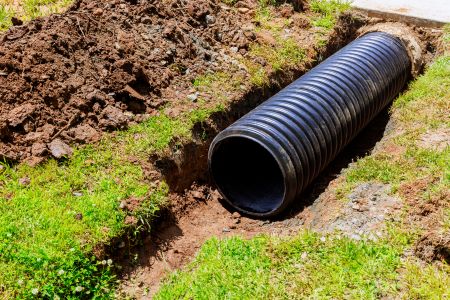
Living on a slope in Elizabeth, PA has many perks, but the ground under your home is always on the move. That slow movement can twist, crack, or clog your sewer line over time. If recent storms or freeze-thaw cycles have you worried, start with a professional evaluation and, when needed, schedule sewer line replacement through a licensed local team you trust.
Sewer Line Problems In Elizabeth, PA
Elizabeth and nearby river towns sit on hillsides shaped by the Monongahela Valley. Clay-rich soils, buried rock, and old fill can shift a little each season. That small movement adds up, especially for older clay and cast iron pipes running downslope from your house to the street or a main. When the soil creeps, the pipe follows. Joints open, bellies form, and roots find the gaps.
Many homes here also inherited aging laterals placed decades ago. Even PVC can sag if bedding wasn’t compacted well or if water consistently softens the backfill along the trench line. Add spring rains, winter freeze-thaw, and heavy yard equipment, and you get stress that your line can’t ignore.
Why Hillside Homes In Elizabeth, PA Face Sewer Line Stress
On sloped lots in neighborhoods like Blaine Hill, Boston, Greenock, and along river-facing streets, gravity is always tugging on the soil column. When soil absorbs water, it gets heavier and moves downslope a touch. In winter, moisture in the ground expands as it freezes and contracts when it thaws, nudging pipes again and again. Over years, this cycle can:
- Open joints and let in fine silt that settles and creates low spots, called bellies.
- Crack brittle sections, especially older clay tiles near trees and shrubs.
- Deflect or shear the line where it crosses changes in soil type or buried rock.
Tree roots love the constant moisture along a sewer trench. On a hillside, roots also chase the path of least resistance, which is often your lateral. Once inside, they trap paper and grease, and block flow during storms when you need capacity most.
How Terrain Shifting Damages Your Sewer Line
Cracked or Bellied Pipes
Soil movement can leave a dip in the line where sewage slows and solids deposit. That belly holds water, which speeds up pipe wear and invites more buildup. On steep lots, a small dip makes a big difference because flow is either racing too fast to carry solids or stalling where the grade changes.
Offset Joints and Infiltration
Picture each joint as a puzzle piece. When the ground slides, those pieces slide too. Offsets create snags that catch wipes and debris. They also let in groundwater during heavy rain. That extra water overloads your system and can send backups into lower drains and basements. Never ignore wastewater odors or slow drains that appear right after a storm.
Root Intrusion on Slopes
Roots push through tiny cracks, then expand. On a hillside, their pressure widens gaps faster because the soil load is already uneven. Even after cleaning, roots return unless the damaged section is repaired or replaced with sealed, modern pipe and proper slope support.
Local Red Flags To Watch For
Because hills move slowly, sewer line trouble often shows up as patterns instead of one big failure. In Elizabeth, PA, keep an eye out for:
- Gurgling drains or floor drains that burp after heavy rain or spring snowmelt.
- Persistent sewage smells near the downslope side of the yard or driveway.
- Wet, spongy grass strips following the old trench line when the rest of the yard is dry.
- Sunken pavers, settling soil, or small cracks in walkways above the lateral.
- Backups that happen after freeze-thaw swings or when multiple fixtures run at once.
If you notice a pattern tied to weather, the ground is likely part of the problem. The sooner you document those signs, the easier it is for a pro to pinpoint the cause.
Professional Sewer Line Diagnostics That Work On Hillsides
The right inspection plan respects your slope and soil. A typical hillside-focused evaluation can include a live-flow camera inspection, electronic locating to map the line, and targeted cleaning to clear the view. Crews look for bellies, offsets, root mats, and infiltration near joints or transitions. If the pipe is clay or cast iron, they note joint spacing, depth, and where the line crosses driveways, retaining walls, or steep drops.
To understand options and next steps across seasons, you can review services from your trusted Pittsburgh plumber and learn how our sewer line replacement in Elizabeth, PA approach supports sloped lots, storm patterns, and older materials. That way, you set realistic expectations before any digging begins.
Do not rely on short-term cleanings if the pipe is structurally failing. Cleaning helps with visibility and flow, but it will not fix cracked or separated sections on a moving hillside.
Repair And Replacement Options For Sloped Lots
Every property is different, and methods vary by depth, soil, nearby utilities, and how much the ground moves. Common solutions include:
Targeted spot repairs. If only one section is damaged, a localized repair may stop intrusion and restore slope. This is often paired with precision backfill and bedding to reduce future settlement.
Sectional replacement. Replacing longer runs with modern, gasketed pipe can seal out roots and groundwater. On steeper grades, careful compaction and stable bedding help maintain the designed slope from cleanout to main.
Full replacement. For lines with multiple bellies, widespread root intrusion, or past patchwork, full replacement gives the best long-term reliability. Crews may stage work to protect retaining walls, utilities, and landscaping.
Trenchless approaches, where appropriate, can limit surface disruption. In other cases, open trench offers better control of slope, bedding, and joint integrity. Your contractor will walk you through options and timelines that fit local conditions. Permit needs and restoration steps vary by location and season.
Keeping Your Hillside Sewer Line Healthy Over Time
You can’t stop the ground from moving, but you can reduce stress on the line and catch problems sooner. Work with your contractor to plan maintenance that fits your lot and soil. Typical recommendations include:
- Routine sewer line cleaning after a camera check to clear early root growth and fine silt before it becomes a blockage.
- Directing roof leaders and sump discharge away from the lateral trench to limit water loading.
- Avoiding heavy vehicles or stacked materials over the sewer path, especially near slopes and retaining walls.
- Choosing tree and shrub locations with adequate distance from the lateral, and using root barriers where practical.
- Documenting post-storm patterns so your plumber can compare before-and-after video during service visits.
Think of your sewer line like a hidden bridge under your yard. It needs the right support to carry flow and shrug off tiny land shifts. Small changes now prevent emergency repairs later.
What A Pro Visit Looks Like In Elizabeth, PA
Most homes start with a camera inspection from the nearest cleanout. If access is limited, crews set up a work area that protects your slope and landscaping. They map the lateral, mark concern spots on the ground, and discuss options. If cleaning is recommended, it is performed to improve flow and visibility, then the line is rescoped to confirm results. For repairs, your team will explain restoration and yard protection plans so you know what to expect as the work proceeds.
Timelines, staging, and restoration depend on yard access, weather, and materials. Street work, if needed, follows local requirements. Your estimator will outline steps in plain language and keep you updated during the project.
Why Choose Mitchell Plumbing, Heating and Cooling For Hillside Sewer Work
Hillsides are not one-size-fits-all. You want a partner who understands Pittsburgh-area soils, the way water moves after a storm, and the stress older materials face. Our team handles diagnostic work, sewer line replacement, and plumbing repairs with care for your slope, neighbors, and finished surfaces. From Elizabeth Township to nearby river communities, we help homeowners balance long-term reliability with practical restoration.
Ready To Protect Your Home?
If you are seeing repeat backups after storms, gurgling drains, or wet stripes downslope from the house, it is time to act. Talk with Mitchell Plumbing, Heating and Cooling about a plan that fits your lot, materials, and season. Call us at 888-996-4824 or start with a quick camera evaluation to see what the ground is doing to your line. When repairs are needed, our licensed crew will guide you through options and complete the work safely and efficiently.
Your home depends on a healthy, sealed sewer line. Get expert help today and keep your hillside property flowing the right way.
Save With Our Preferred Customer Program
With our Preferred Customer Program, you can enjoy exclusive savings and benefits while keeping your home’s plumbing and HVAC systems running smoothly. Members of our Preferred Customer Program gain access to special offers and promotions throughout the year, making it easier and more affordable to keep your home comfortable. Whether it's seasonal HVAC tune-ups or plumbing inspections, you'll save time and money with our program. Sign up today and start enjoying the peace of mind that comes with being a preferred customer!
Learn More About Preferred Customer Program